
Water Underfloor Heating On An Existing Floor Guide
Installing UFH on an existing floor is becoming extremely popular thanks to the use of overlay boards. These systems allow underfloor heating to be installed with minimal disruption and build-up.
Can you install UFH on an existing floor?
Yes, underfloor heating can be installed onto an existing solid surface using overlay boards or a screed system.
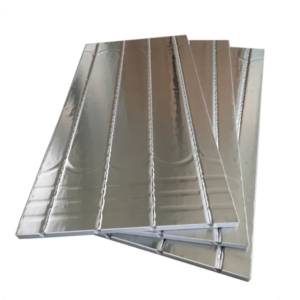
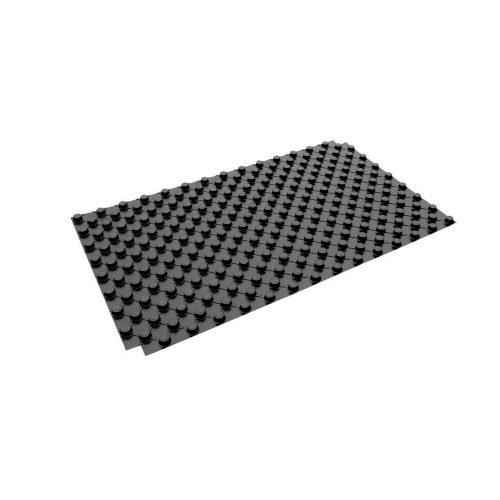
- Overlay systems hold pipes in grooved insulation boards and are typically preferred for retrofit projects due to their low profile and ease of installation
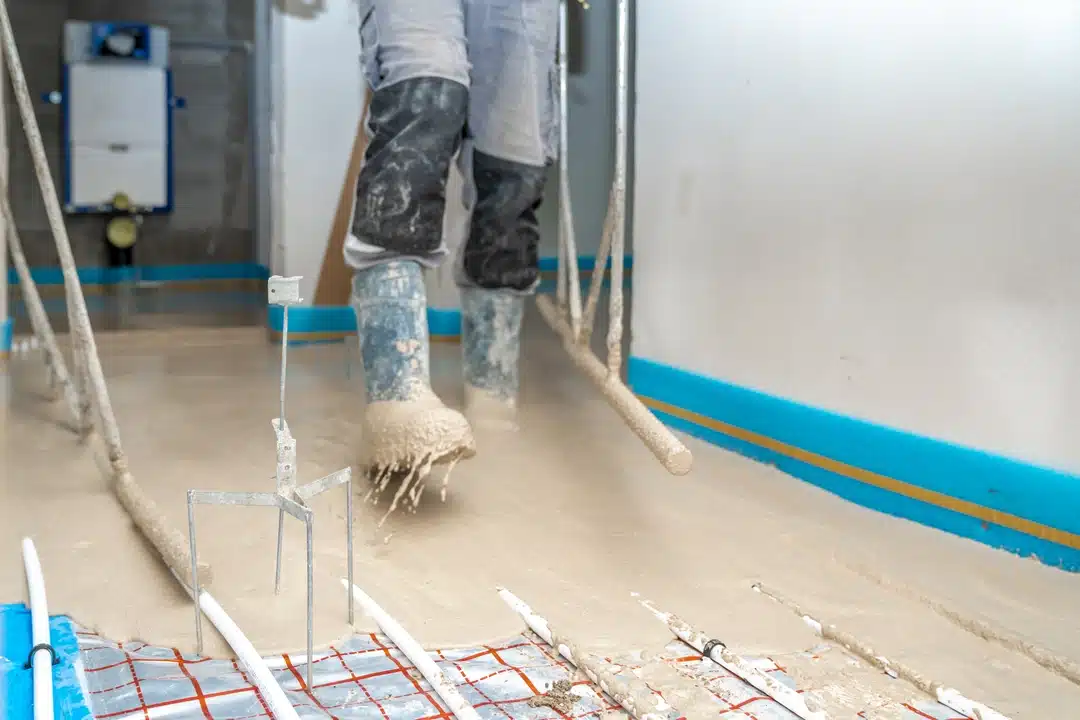
- A screed system can also be used depending on height restrictions and other factors. Screed panels will hold pipes without attaching to the floor below, before being covered in a liquid screed.
What types of existing flooring can support UFH?
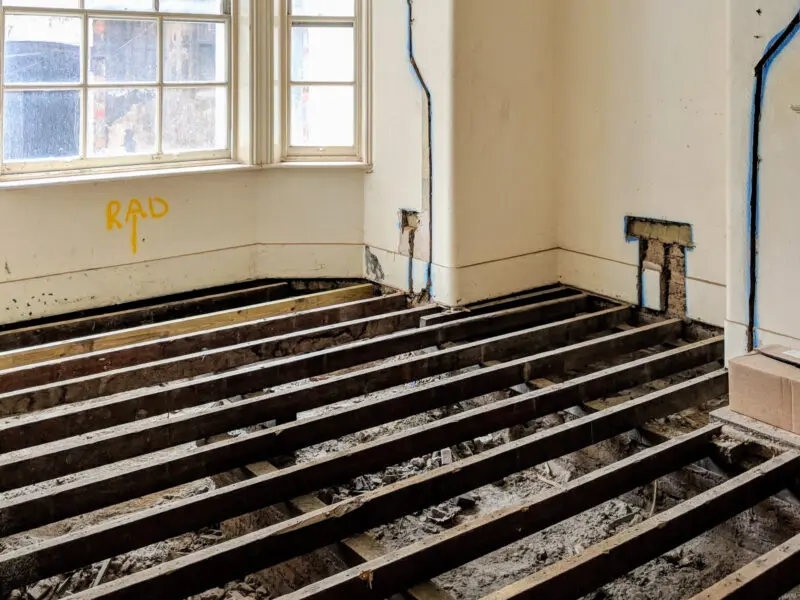
Overlay systems can be installed on top of solid concrete or existing wooden subfloors.
Traditional screed systems require insulation beneath the screed layer to minimise heat loss. In some cases, a screed system can be installed on top of an existing floor if the property already has sufficiently high insulation levels. It is always recommended to include insulation beneath a screed system, especially on ground floors where downward heat loss is more significant.


Typical build – UFH on existing subfloor
- Solid existing subfloor
- Overlay board (20mm)
- Pipes placed within the board
- Intermediate layer / self levelling / duo board system (5/10mm)
- Only needed for carpet, LVT or small block Paraquet
- Floor Covering
Total Build Up Depth 20 – 30mm
Benefits of Installing wet underfloor heating over an existing floor
Low profile overlay boards offer various benefits to installing UFH onto an existing floor. These are key in retrofit installations, where installation was not possible before.
Minimal height increase
Adding onto the current floor height, the finished floor level is increased by only 20mm.
Efficient – quick response times
Flooring placed directly on top of overlay boards. Heat-up times as low as 30 minutes.
No floor removal
Removes the need to dig out a solid concrete subfloor or remove floorboards.
Any floor covering
Tiles and wood can be added directly on top. Carpet and LVT may require an intermediate layer.
How to install underfloor heating onto an existing floor (Quick Guide)
- Floor Preparation – Boards are fixed to any solid surface. The subfloor must be dry, level and clear of dust & debris. A floor levelling compound may be required if the floor surface is uneven.
- Board Layout – Boards are installed lengthwise following the direction of the pipes with transitional boards used in areas of high pipe density. Begin laying overlay panels in the corner of the room, staggering boards.
- Cutting – Boards can be cut easily to allow for seamless installation around obstacles using a craft knife and insulation saw. A router can be used to cut new channels within the boards.
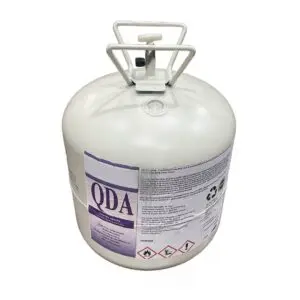
- Fixing to floor – A non solvent contact adhesive will provide a secure bond to the subfloor. Ensure the adhesive is free from all chlorinated solvents as this would damage the board. Spray adhesive is recommended as it provides quick and strong bonding of boards to concrete and wood.
- Laying Pipe – Ensure all boards are fully secure and all pipe channels are free of any debris. Carefully walk along the pipe pushing the pipe down into the channel with the sole of your foot.
Overlay UFH best practice
We’ve listed a few important steps to consider for your installation. Following these will help ensure your project runs smoothly and that your system operates efficiently.
- If installing onto timber floor, damaged joists or floorboards must be replaced before installation.
- Blank overlay boards are used to maintain floor height on unheated areas.
- A self levelling screed may be required when installing some floor coverings. Ensure unused channels are opened and clear of debris.
What Materials Are Needed?
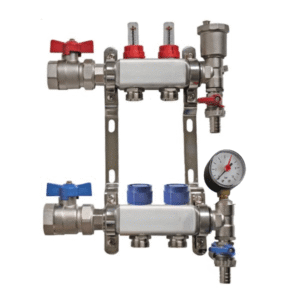
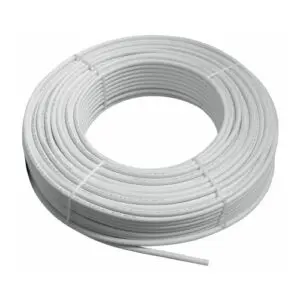
Installing wet underfloor heating over an existing floor require the key UFH materials. Manifold, pipe, pump and controls.
An overlay system requires specific materials
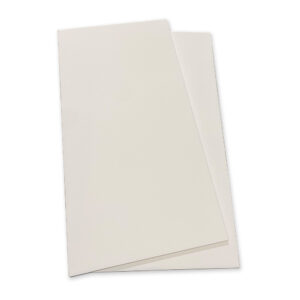
to hold the pipe in place: overlay boards or screed panels. Spray adhesive is needed to secure insulation boards to the subfloor.





Other wet underfloor heating systems
Other methods of installing wet underfloor heating include between joist systems and installing on an existing solid floor.
View our guides or get in contact to find the best solution for your project.