
Water Underfloor Heating on a Suspended Floor – Complete Guide
Wet underfloor heating can be installed on timber suspended flooring using various methods. It’s a popular solution for retrofit projects and upper floors, where traditional screed systems aren’t always suitable.
What is a suspended timber floor?
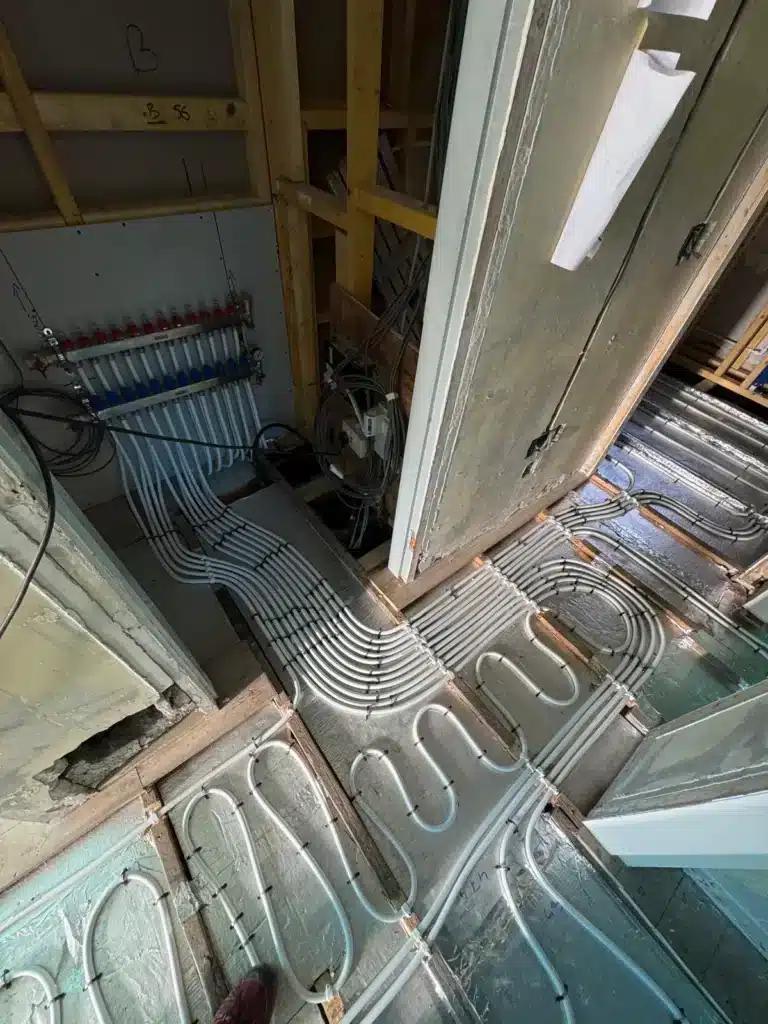
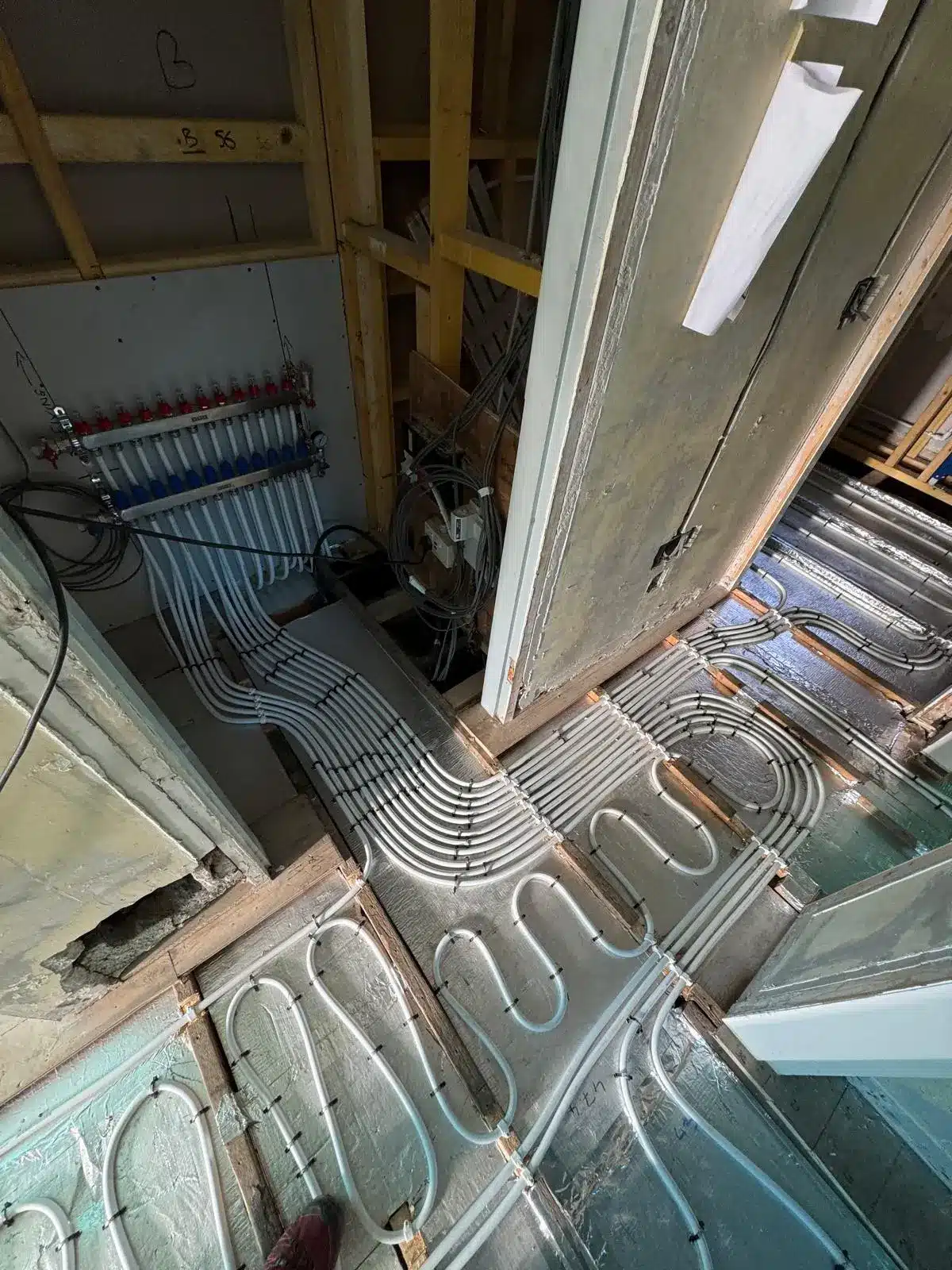
A suspended floor is a floor with a void beneath, in most cases this is a timber floor structure supported by joists. Wet underfloor heating can be installed either between the joists or on top of the existing floorboards or joists.
One of the main advantages of installing UFH between joists is that the existing floor build-up remains unchanged. This makes it ideal for retrofit projects, while still delivering an efficient and comfortable heating system.

When can UFH be installed on a suspended floor?
Underfloor heating can be installed on a suspended floor in many situations.
- Retrofit projects – where raising floor height isn’t practical
- New builds – especially on upper floors
- When floorboards are being replaced
- When access is available from below (e.g. via ceilings)
System types suitable for suspended floors
Underfloor heating can be installed on suspended floor using various methods. this includes between joists, on top of joists or even on top of floor boards.


Comparison Table
|
System Type |
Install Location |
Pipe Spacing |
Heat Output |
Response Time |
Weight |
Heat Pump Suitable |
Best For |
Cost |
|---|---|---|---|---|---|---|---|---|
|
Spreader Plates |
Between Joists |
150 / 200mm |
Low–Medium |
Low |
Low |
Possible |
Retrofits |
££ |
|
Dry Screed |
Between Joists |
133 / 150 / 200 / 300mm |
Medium-High |
Low |
High |
Yes |
Uneven Joist spacing |
£ |
|
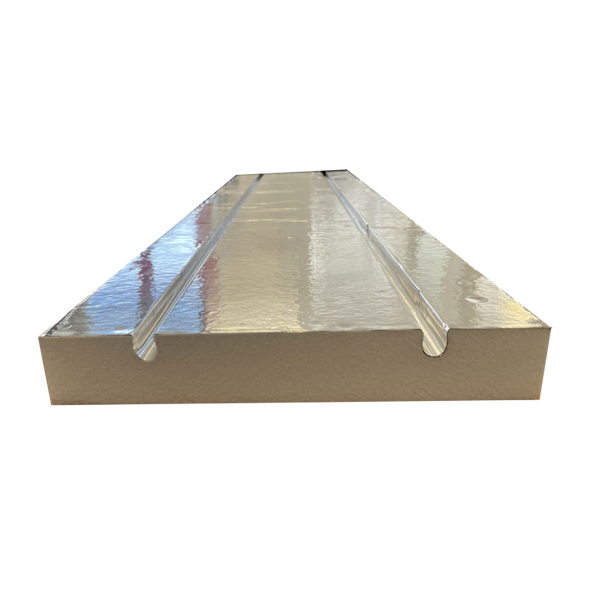
In Joist Panels |
Between Joists |
200mm |
Low–Medium |
Low |
Low |
no |
Quick Install – 400mm centres |
££ |
|
ProFloor |
Over joists |
150mm |
Medium-High |
Medium |
Medium |
Yes |
Replacing floorboards |
£££ |
How to Install Underfloor Heating between joists (Quick Guide)
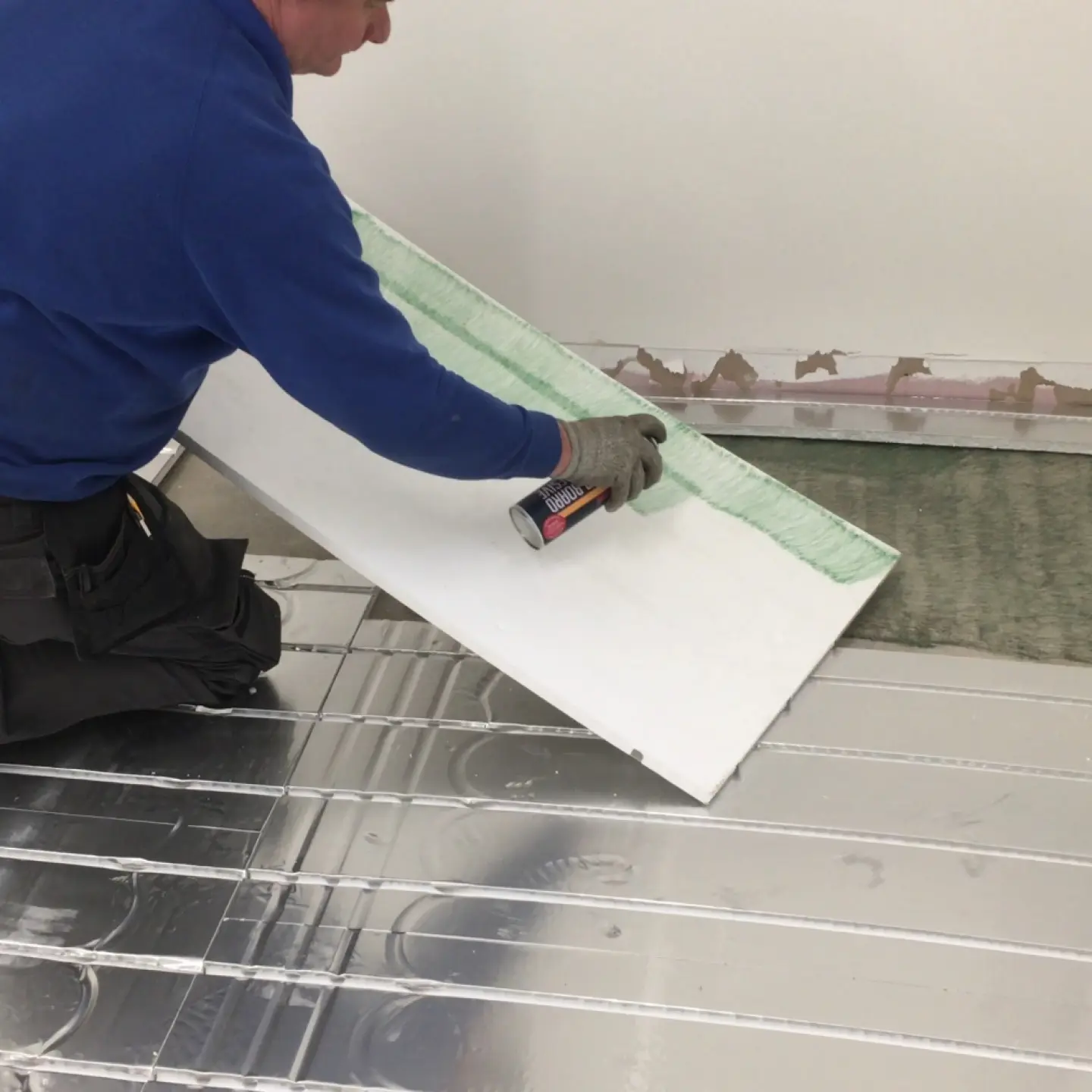
- Remove floorboards to access the joists
- Inspect joists to ensure they are in good condition, replace any damaged joists.
- Install battens and support boards at the base of joists, this will support insulation.
- Joists are notched where required allowing pipes to pass over.
- Install system components, depending on method:
- In joist panels fitted making sure surface is flush with the top of the joists.
- Pipes are laid within the grooved channels
- Dy screed system requires rigid insulation, 20mm below the joist top.
- Pipes are stapled to the insulation
- Dry screed installed to joist level, sand (8) : cement (1)
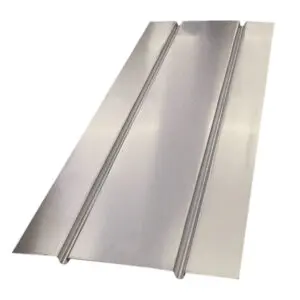
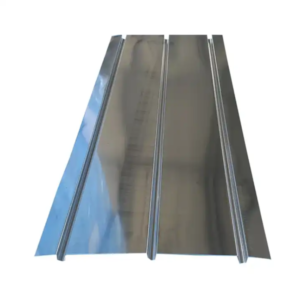
- Spreader plates fixed to the top of joists, mineral wool insulation used to fill gap below plates.
- Pipes slotted within the plates.
- In joist panels fitted making sure surface is flush with the top of the joists.
- Reinstall floorboards making sure to gaps are present between the UFH system and the floor. Take care when screwing to avoid dame to the system below.
UFH on suspended floors best practice
- Avoid gaps between insulation, pipes and floorboards. Any pockets of space can hold heat and reduce the efficiency of the system. Make sure insulation is butted tight to joists and tight to the floor surface.
- Follow correct notching guidelines when routing pipes through joists. Measure and mark exactly where these are located to avoid damages to pipe when installing floorboards.
- Measure joist spacing accurately. Modern homes have joist spacing of 400mm however this can vary especially in older homes.
- Design pipe spacing correctly by dividing the joist spacing by the number of pipes.
- 400mm joists with 2 runs = 200mm pipe spacing
- 400mm joists with 3 runs = 133mm pipe spacing
What Materials Are Needed?
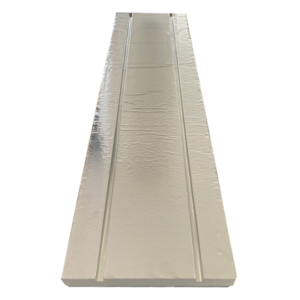
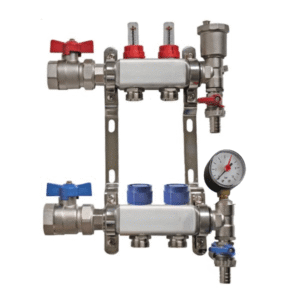
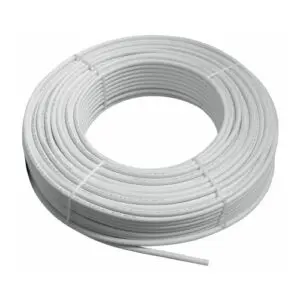
Screed Underfloor heating requires the main wet UFH components: Manifold, pipe, pump and controls.
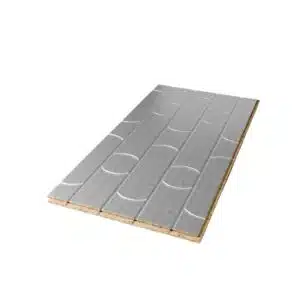
A screed system also requires specific materials
to hold the pipe in place: clips, rails, wet screed panels and edge insulation to allow screed expansion.


Other wet underfloor heating systems
Other methods of installing wet underfloor heating include between joist systems and installing on an existing solid floor.
View our guides or get in contact to find the best solution for your project.