
Screed Underfloor Heating Guide
Wet underfloor heating is ideally suited to the building phase of a project. It is a cost-effective solution for new builds and extensions, providing efficient heating and a comfortable living environment.
What is screed underfloor heating?
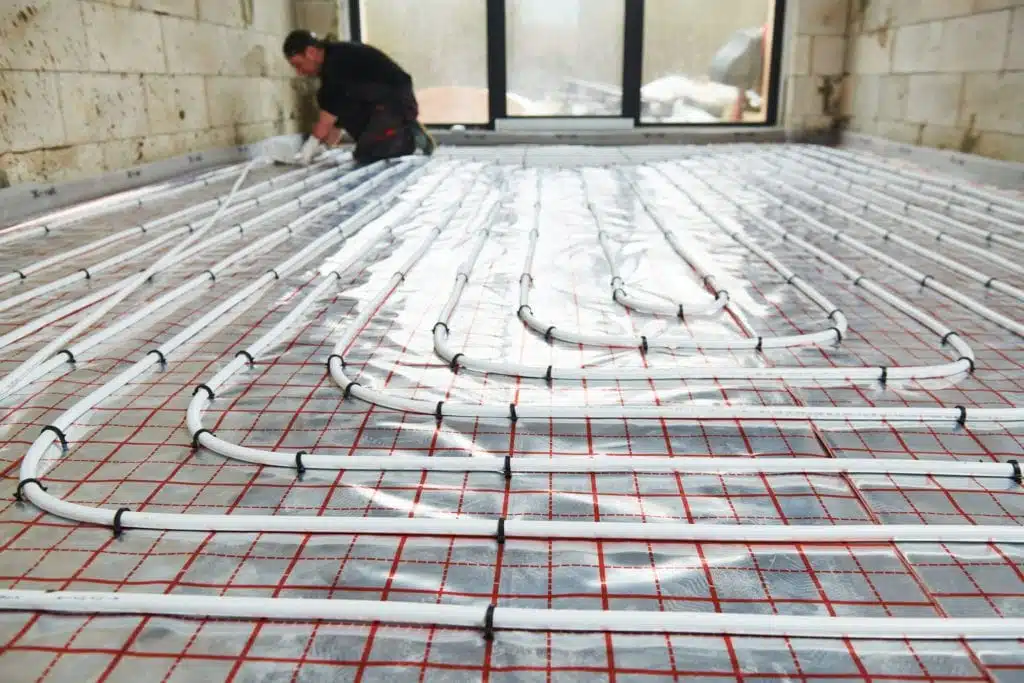
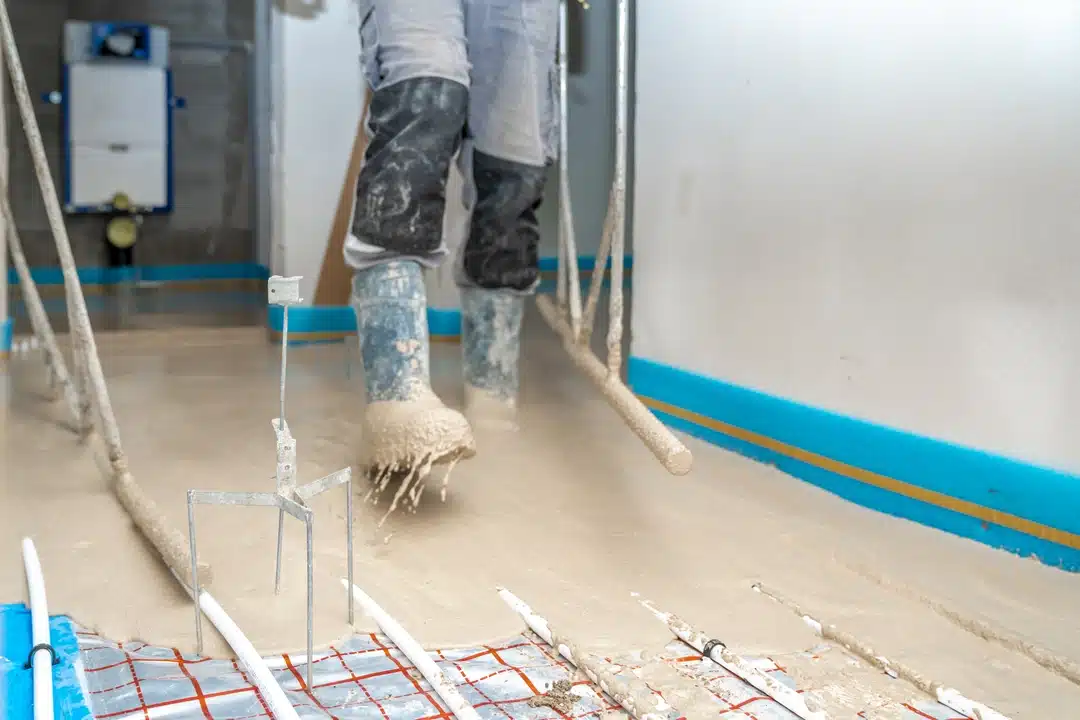
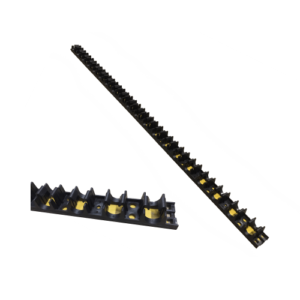
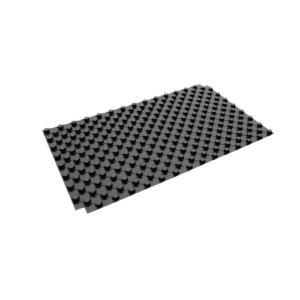
Screed underfloor heating involves heating pipes being fully embedded within a sand and cement or liquid screed layer. The pipes are typically secured to insulation using staples, rails or screed panels.
Once installed, the screed evenly distributing heat across the floor surface. As the pipes are fully encapsulated, screed systems efficiently transfer heat, allowing for high heat output and maintaining consistent room temperatures. Screed systems can offer heat outputs exceeding 100W/m², making them the best option where high heat demand is required.
Pipe spacing can be customised between 100mm and 300mm, allowing the heat output to be adjusted to suit your specific heat loss requirements. This flexibility makes screed underfloor heating the perfect partner for low-temperature heat sources.

When Should Screed Underfloor Heating Be Installed?
Underfloor heating within a screed is most commonly incorporated during the building phase of a project. As a screed base is already being poured, there is minimal additional labour required. It also maintains floor heights, making it the most practical and cost-effective time to install a wet underfloor heating system.
This makes screed UFH ideal for:
- New build properties
- Extensions
- Self-build projects
- Major renovations where floors are being replaced

Typical Build Up of Screed UFH
- Sub-base/slab – Structural base forming the foundation of the floor
- DPM (Damp Proof Membrane) – Prevents moisture ingress from the ground
- Insulation – Prevents downward heat loss and improves energy efficiency
- Edge insulation strip – Installed around the perimeter to allow for screed expansion
- UFH pipes – Secured in place using clips, rails or wet screed panels.
- Screed layer – Depth varies depending on screed type
- Floor finish – Tiles, engineered wood, vinyl, carpet
Total Build Up Depth – 125mm/225mm
75–150mm insulation
50–75mm screed
How to Install Underfloor Heating in a Screed (Quick Guide)
- Prepare the sub-base and slab in accordance with structural requirements.
- Install the DPM where required.
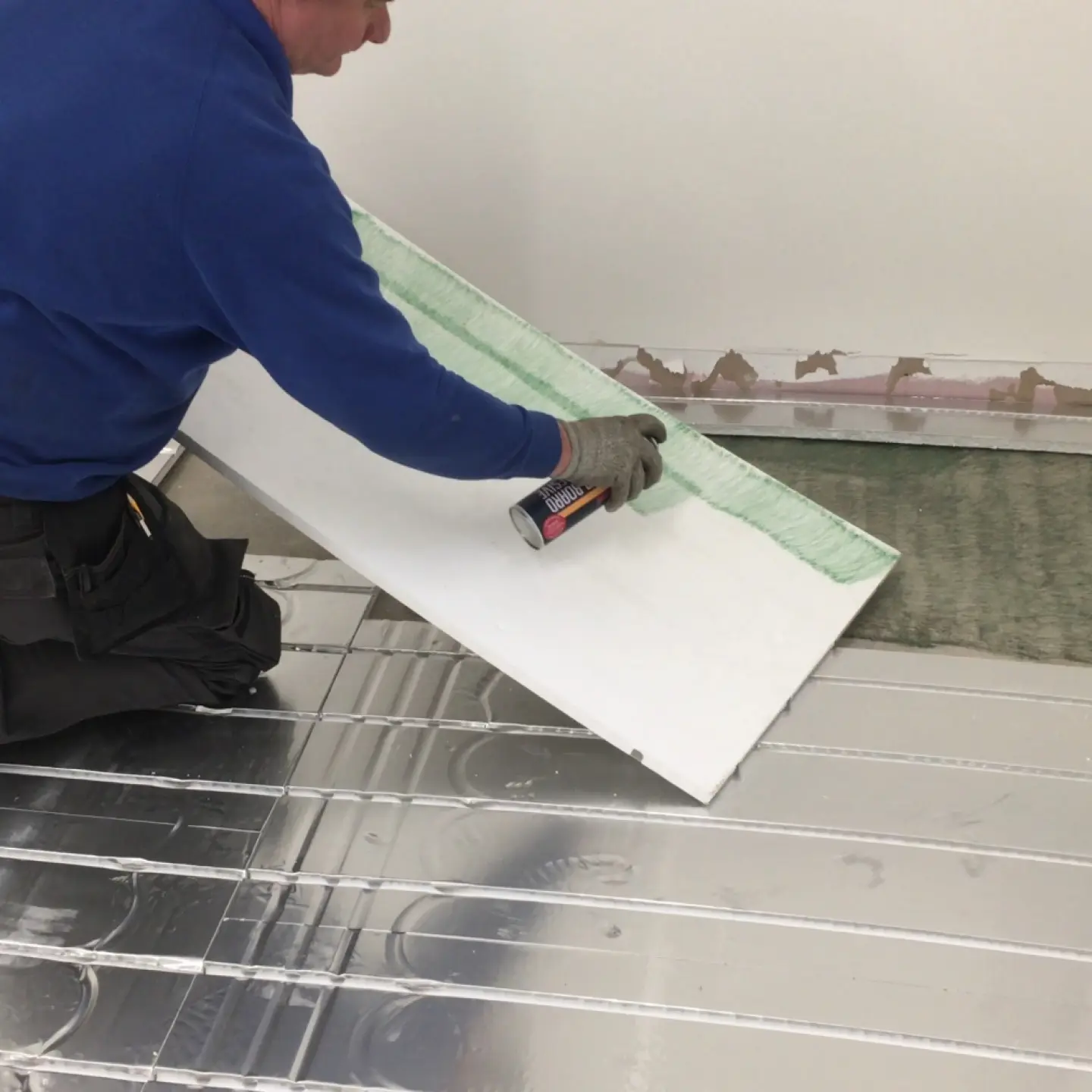
- Lay insulation boards over the slab, ensuring joints are taped. A minimum of 100mm insulation is recommended; this must comply with current building regulations.
- Install edge insulation strip around the perimeter of the room to allow for screed expansion.
- Install UFH pipes on top of the insulation using appropriate fixings such as staples or fixing rails.
- Fill and pressure test the system before the screed is poured. The system must remain under working pressure during the screed pour.
- Pour the screed to the required depth before allowing it to cure.
Screed UFH best practice
We’ve listed a few important steps to consider for your installation. Following these will help ensure your project runs smoothly and that your system operates efficiently.
- Heat requirement: It is recommended to have a heat loss survey carried out to ensure the system output matches your heating requirements. This is especially important when using a heat pump.
- Drying and curing: Screed has varying curing times depending on the type and thickness. Discuss this with your screed supplier and factor this into your project timeline.
- Pressure test: Before pouring the screed, the system must be pressure tested to a minimum of 6 bar to ensure no leaks are present. The system should remain under working pressure during the pour to prevent the pipes from deforming.
- Initial heat-up: Screed requires a staged heat-up process to prevent cracking. Start at around 20–25°C and increase the temperature by 2–3°C each day.
Single zone screed underfloor heating kits
Includes everything you need for a single-zone UFH in-screed system. We’ve combined top-quality products to give you great value and a straightforward checkout process. Just select your pipe spacing and kit size to suit your project.

Type and Thickness of Screed for Underfloor Heating
Choosing a wet underfloor heating screed can affect installation time, build-up, and cost of your project. We’ve highlighted a few key features of a traditional sand and cement screed and a liquid screed. Discuss with a screed company what suits your project best.
Sand and Cement Screed
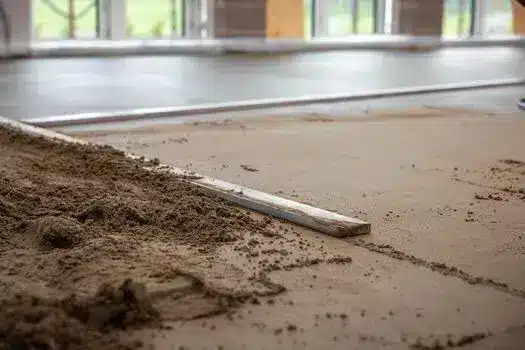
This is a semi-dry mix typically made at a 4:1 ratio. It has a course consistency which is installed by hand, requiring manual labour to cover pipes and level the system. This screed type is generally regarded as a more cost-effective option due to lower material costs and the ability to mix it on-site. However, installation takes longer because of the manual application method and extended curing time.
- 65-75mm thickness
- Less expensive than other screed types
- Mixed on-site
- Long curing time
Liquid Screed
Liquid screed is quicker to install and significantly reduces installation time. Its flowing consistency allows it to self-level around the pipework, reducing the need for manual labour. Liquid screed also performs better than traditional sand and cement screed, offering improved heat transfer while allowing for a thinner layer of approximately 50mm. Initial curing time is typically around 24–48 hours.
- 50mm thickness (30mm above pipes)
- Self-levelling, less manual labour
- Higher thermal conductivity
- Higher material cost (external screed company)
What Materials Are Needed?
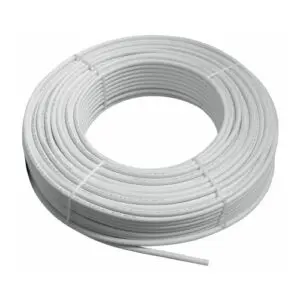
Screed Underfloor heating requires the main wet UFH components: Manifold, pipe, pump and controls.
A screed system also requires specific materials
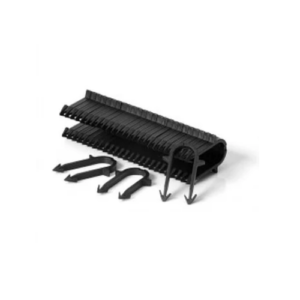
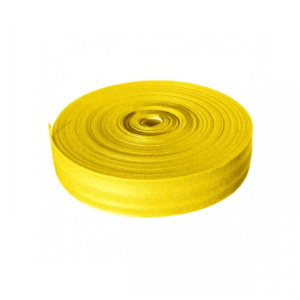
to hold the pipe in place: clips, rails, wet screed panels and edge insulation to allow screed expansion.



Other wet underfloor heating systems
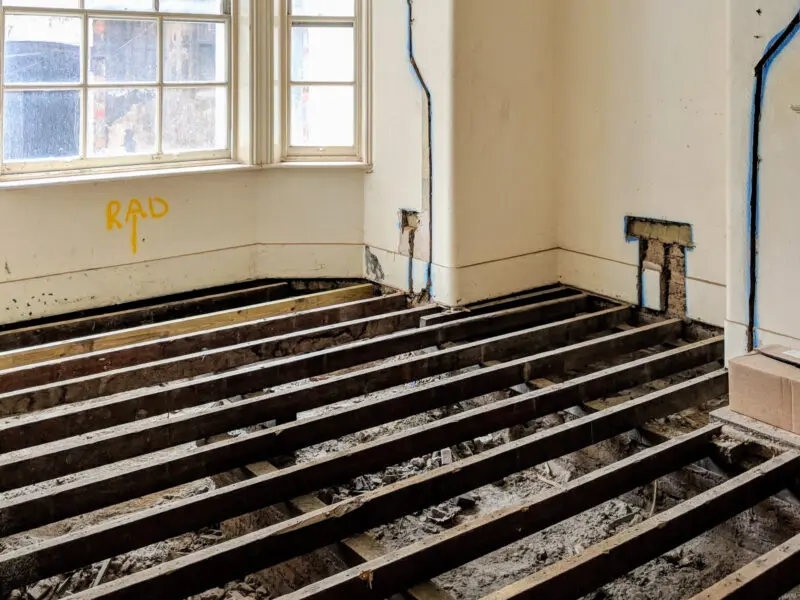
Other methods of installing wet underfloor heating include between joist systems and installing on an existing solid floor.
View our guides or get in contact to find the best solution for your project.